What Is My Tampa Bay Home Worth? | Seller Guide
Discover seven factors that influence your Tampa Bay home’s value, from location and upgrades to condition, curb appeal and market strategy.
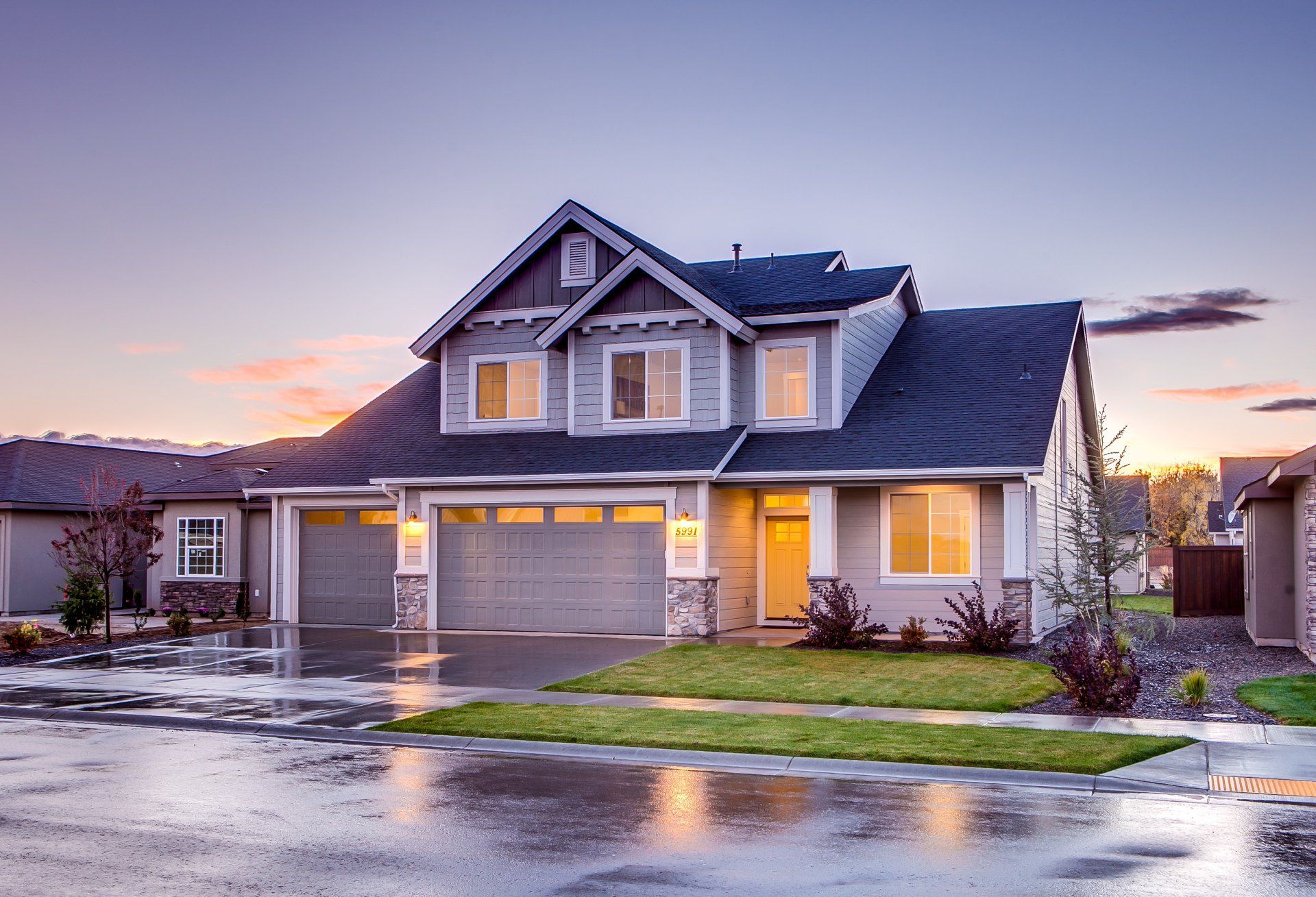
Your home’s value is not determined by square footage alone. Two properties with similar layouts can sell for different prices because of their location, lot, condition, improvements, presentation and current competition.
Online estimates can provide a starting point, but they may not recognize the details that make your property different. A professional Tampa Bay home-value analysis combines recent comparable sales with the features, improvements and story of your home.
Here are seven important factors that can influence your Tampa Bay home’s sale price.
1. Location, Lot and Surroundings
Location includes more than a city, ZIP code or school attendance boundary. Your position within the community can also influence buyer interest.
A cul-de-sac location, lake view, conservation backdrop, oversized lot or added privacy may help your home stand out from nearby properties. Buyers may also consider commute options, access to shopping and recreation, flood-zone information, elevation, traffic patterns and community amenities.
These details are important when selecting comparable sales. A similar house without the same view, privacy or homesite characteristics may not provide a complete comparison.
2. Size, Layout and Functional Space
Buyers compare total square footage, bedrooms, full and half bathrooms, garage capacity and outdoor living space. They also consider how effectively the home’s layout supports everyday life.
A den, home office, loft, bonus room, guest suite, screened lanai or flexible living area may create additional appeal. Storage, natural light and room flow also matter. An extra space that photographs and functions well can influence how buyers perceive the home’s overall value.
3. Condition and Preventive Maintenance
A well-maintained home gives buyers confidence. Roof age, HVAC performance, water heater, plumbing, electrical systems, windows and signs of moisture can affect both the offer and the inspection process.
Preventive maintenance does not always create a dramatic visual transformation, but it can reduce buyer concerns and protect your negotiating position. Service records, warranties, permits and receipts can help demonstrate how the property has been cared for.
Before listing, address visible repairs, damaged finishes, odors and deferred maintenance. A clean, fresh and carefully maintained home helps buyers focus on its value instead of calculating everything they may need to fix.
4. Updates That Keep Your Home Competitive
Updates bring an existing home closer to current buyer expectations. They may include refreshed kitchens and bathrooms, newer appliances, modern lighting, updated flooring, contemporary paint colors and improved fixtures.
The objective is not to make every resale home look identical to new construction. It is to prevent outdated features from distracting buyers or making the property feel less competitive than other available homes.
Not every renovation is necessary before selling. The best improvements depend on your price range, neighborhood and competing inventory. A strategic review can help determine which updates may improve presentation and which are unlikely to produce a meaningful return.
5. Distinctive Upgrades and Added Features
Upgrades go beyond basic modernization. They are thoughtful additions that improve comfort, convenience, efficiency or design.
Examples may include:
- Accordion hurricane shutters or other storm-protection features
- Professionally designed closets and built-in storage
- Crown molding, wall molding or custom millwork
- Whole-home water filtration or purification
- Paid-off solar panels
- Electric-vehicle charging capability
- Smart-home technology
- Outdoor kitchens or enhanced entertaining areas
These upgrades can strengthen buyer interest and differentiate your property, but they do not always increase appraised value dollar for dollar. Their value depends on condition, documentation, buyer preferences and how they compare with nearby homes. Solar financing or leases should also be reviewed before listing.
6. Curb Appeal and Landscaping
Buyers begin forming an opinion from the first listing photograph or drive-by. A welcoming entrance can create an emotional connection before they walk through the door.
Pressure washing, exterior paint, a clean driveway, updated lighting, an attractive front door and neatly maintained trees can make the property feel inviting and cared for.
Landscaping can add another layer of appeal—even for buyers who are not gardening enthusiasts. Healthy plants, flowers, vegetables, butterfly-friendly areas and thoughtfully arranged outdoor spaces can create the feeling of a designed garden. Choose plants wisely and keep the landscaping attractive, manageable and appropriate for the property.
7. Market Conditions, Presentation and Pricing Strategy
Your final sale price is also influenced by factors outside the property: recent closed sales, current competing listings, inventory, buyer demand, financing conditions and how quickly similar homes are selling.
Professional photography, accurate descriptions and targeted marketing help buyers understand what makes your home special. This is why I begin by learning its story: why you purchased it, what you still love about it and how you improved it.
Those details help me identify the property’s strongest selling points and combine them with market data. Strategic pricing should reflect both the numbers and the value buyers can recognize when they experience the home.
What Creates the Strongest First Impression?
Buyers want to feel that the property has been respected and loved. Before listing:
- Deep-clean and remove unnecessary clutter
- Complete visible repairs and maintenance
- Create bright, fresh and comfortable rooms
- Organize closets and storage areas
- Highlight improvements with receipts, permits or warranties
- Prepare outdoor areas for photography and showings
The goal is not to make your home perfect. It is to help buyers see that they are receiving meaningful value for the price.
Frequently Asked Questions About Tampa Bay Home Values
How is my Tampa Bay home’s value determined?
A professional comparative market analysis examines recent comparable sales, active competition, location, lot characteristics, size, condition, improvements and current market activity. The analysis should also account for features that automated estimates may overlook.
Is an online home-value estimate accurate?
An online estimate can be a useful starting point, but it may not know your home’s current condition, renovations, view, privacy, maintenance history or distinctive upgrades. A personalized analysis provides more context.
Do renovations always increase a home’s sale price?
No. Some renovations improve marketability without returning their full cost. The likely benefit depends on the neighborhood, price range, quality of the work and what buyers expect from competing homes.
Do paid-off solar panels add value in Florida?
Paid-off solar panels may appeal to buyers interested in energy efficiency, but their impact varies. Ownership status, system age, documentation, roof condition, energy savings and buyer preferences should all be considered.
Should I update my home before selling?
Not automatically. Begin with a market analysis and property review. Some homes benefit from targeted updates, while others need only repairs, cleaning, decluttering and professional presentation.
Discover What Your Tampa Bay Home Could Be Worth
Your home deserves more than a generic online estimate. I combine local market data, financial insight and the unique details of your property to create a personalized selling strategy.
Contact me for a complimentary Tampa Bay home-value consultation and personalized comparative market analysis.
Esperanza Arias Prada, REALTOR®, Broker Associate
Rivera & Associates Realty
esperanzaariasprada@hotmail.com
Bilingual Tampa Bay Realtor | English and Spanish
A comparative market analysis is not a licensed real estate appraisal. Market conditions and property values can change.